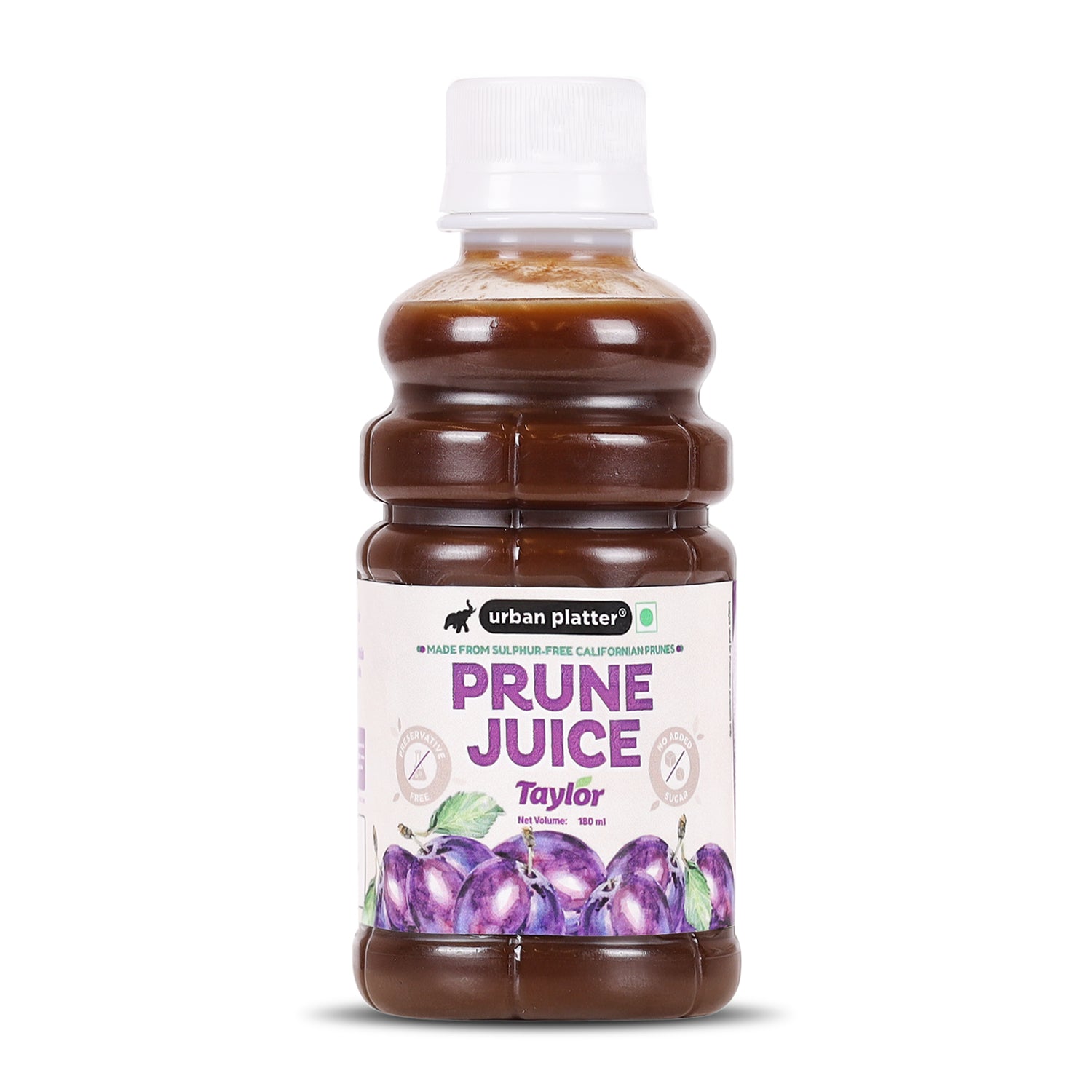
Maintaining strong and healthy bones is essential at every stage of life. Bones support the body, protect vital organs, and help us move comfortably. As we age, bone density can gradually decrease, making nutrition, physical activity, and healthy lifestyle habits increasingly important. While calcium and vitamin D are widely recognised for their role in bone health, certain fruits may also contribute to a balanced diet. One option that has attracted interest is prune juice.
Prunes are dried plums, and they contain nutrients and plant compounds that may support overall health. Research has also explored the relationship between prunes and bone density. But does prune juice provide the same benefits as whole prunes? Understanding the available evidence, nutritional differences, and practical ways to include it in your diet can help you make informed choices.
What Is Prune Juice?
Prune juice is a beverage made from dried plums or their extracted juice. It has a naturally sweet taste and is commonly consumed to support digestive regularity. Depending on the production process, it may contain varying amounts of fibre, vitamins, minerals, and plant compounds.
Prune juice can provide nutrients such as potassium and small amounts of other minerals. However, its nutritional composition depends on the brand, serving size, processing method, and whether additional ingredients have been added.
Although prune juice can be part of a balanced diet, it should not be considered a complete source of bone-building nutrients. Calcium, vitamin D, protein, and other essential nutrients remain important for maintaining healthy bones.
Can Prune Juice Help Bone Health?
Research suggests that prunes may have potential benefits for bone health, but an important distinction needs to be made between whole prunes and prune juice.
Some studies have investigated the effects of eating whole prunes on bone mineral density and markers of bone metabolism, particularly among postmenopausal women. Researchers believe that the nutrients and plant compounds in prunes may influence processes involved in bone breakdown and maintenance.
However, much of this research has focused on whole prunes rather than prune juice. Juice processing can change the amount of fibre and other nutrients retained in the final product. Therefore, the findings from whole-prune studies cannot automatically be applied to prune juice.
At present, there is not enough strong clinical evidence to conclude that drinking prune juice alone improves bone density or prevents osteoporosis. It may contribute to a nutritious eating pattern, but it should not replace established strategies for protecting bone health.
Nutrients in Prune Juice That Matter for Bone Health
1. Potassium
Potassium is an essential mineral that supports muscle function, nerve signalling, and fluid balance. It also plays a role in maintaining normal body function.
Prune juice can provide potassium, although the amount varies by product. Potassium is one component of a balanced diet, but drinking prune juice alone will not meet all your nutritional needs for strong bones.
2. Plant Compounds and Antioxidants
Prunes contain plant compounds, including polyphenols, that have antioxidant properties. These compounds are being studied for their potential influence on inflammation and bone metabolism.
However, the concentration of these compounds in juice can vary, and more research is needed to establish whether drinking prune juice produces meaningful improvements in human bone health.
3. Other Supporting Nutrients
Prune juice may contain small amounts of minerals and vitamins, depending on its preparation. Nevertheless, it is not generally a major source of calcium or vitamin D, two nutrients that are particularly important for maintaining healthy bones.
For this reason, it is best to consume prune juice alongside a varied diet that provides the nutrients required for normal bone development and maintenance.
Whole Prunes vs Prune Juice: Which Is Better?
Both options can fit into a balanced diet, but they are not nutritionally identical.
Whole prunes contain dietary fibre, which supports digestive health and may help you feel fuller for longer. Some fibre is removed during juice production, although the amount retained depends on the processing method.
Whole prunes have also been studied more directly for potential bone-health benefits. Consequently, if your main goal is to explore the potential benefits of prunes for bone health, whole prunes are a more evidence-aligned option than juice.
Prune juice may still be useful for people who prefer beverages or want an alternative way to consume dried plums. It is also commonly used to help manage constipation because of its sorbitol content. However, drinking too much can cause bloating, abdominal discomfort, or diarrhoea.
Choose the option that suits your nutritional needs, digestive tolerance, and overall eating pattern.
How to Include Prune Juice in a Balanced Diet
If you enjoy prune juice, you can incorporate it into your routine without relying on it as a treatment for weak bones.
- Watch your portion size: Start with a small serving and follow the product's nutritional guidance. Prune juice contains natural sugars and can contribute to your daily calorie intake.
- Choose suitable products: Look for options without unnecessary added sugars, and compare nutrition labels before purchasing.
- Pair it with nutritious foods: Enjoy prune juice alongside a balanced breakfast containing protein and calcium-rich foods.
- Consider whole prunes: Add a few whole prunes to oatmeal, yoghurt, or a snack plate to obtain more fibre.
- Maintain dietary variety: Include vegetables, fruits, whole grains, protein sources, and calcium-rich foods throughout the day.
People managing blood sugar levels should pay attention to serving sizes and the total carbohydrate content of prune juice. If you have a medical condition or follow a restricted diet, consult a healthcare professional or registered dietitian for individual advice.
Other Ways to Support Strong Bones
No single food or drink can provide everything your bones need. A combination of nutrition, exercise, and healthy habits offers a more reliable approach.
Get enough calcium: Dairy products, calcium-fortified plant beverages, tofu made with calcium salts, and certain leafy green vegetables can contribute to calcium intake.
Maintain adequate vitamin D: Vitamin D helps the body absorb calcium. Depending on your circumstances, sunlight exposure, fortified foods, or supplements recommended by a healthcare professional may help maintain adequate levels.
Eat enough protein: Protein supports bones and muscles. Include suitable sources such as beans, lentils, eggs, dairy products, tofu, fish, or other foods that match your dietary preferences.
Stay physically active: Weight-bearing activities such as walking and dancing, alongside appropriate resistance exercises, can help support bone and muscle strength.
Avoid smoking and excessive alcohol: These habits can negatively affect bone health. Limiting alcohol and avoiding smoking are important steps towards healthier bones.
If you have osteoporosis, a history of fractures, or concerns about declining bone density, speak with a healthcare professional about assessment and treatment options.
Conclusion
Prune juice can be a useful addition to a balanced diet, particularly for people who enjoy its flavour or use it to support digestive regularity. Prunes contain nutrients and plant compounds that researchers are investigating for their potential effects on bone health. However, the strongest available research in this area has focused on whole prunes, and evidence is currently insufficient to confirm that prune juice improves bone density or prevents osteoporosis.
For better bone health, focus on a varied diet that provides calcium, vitamin D, and protein, along with regular physical activity and healthy lifestyle habits. Whole prunes may be worth considering as part of that approach, while prune juice can be enjoyed in moderate portions according to your individual needs.