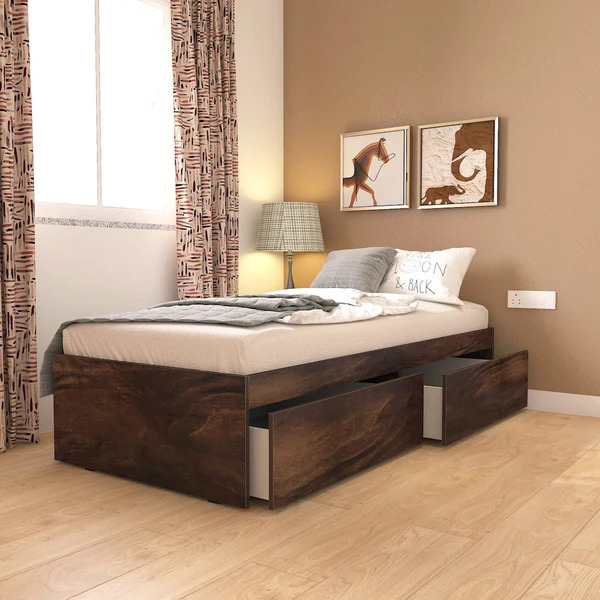
Making the most of a small bedroom can be challenging, especially when you need space for sleeping, studying, working, and storing everyday essentials. Large furniture pieces can make a room feel crowded, leaving little space to move around comfortably. Choosing furniture that fits your room size and daily needs is one of the simplest ways to create a more practical bedroom.
A single bed is a useful option for compact bedrooms, children's rooms, guest rooms, and studio apartments. Its smaller footprint leaves more room for other furniture and everyday activities. When you choose single beds with storage, you can also use the space beneath the mattress to organise bedding, clothes, books, and other belongings without adding a separate storage unit.
1. Creates More Open Floor Space
One of the biggest advantages of a single bed is its compact size. Compared with larger bed sizes, it generally occupies less floor area, making it easier to arrange furniture in a small room.
The extra space can be used for a study table, wardrobe, reading chair, or a small work desk. It can also make walking between furniture pieces easier, particularly in narrow bedrooms.
Before purchasing a bed, measure the available floor area, including the space needed to open cupboard doors and pull out drawers. A well-planned layout helps you avoid overcrowding while keeping essential furniture accessible.
2. Makes Better Use of Unused Space
The area beneath a bed often remains unused or becomes a place where items collect dust. A storage bed turns this space into a practical place to keep belongings organised.
Depending on the design, single beds with storage may include drawers, lift-up storage compartments, or built-in shelves. These features can help you store seasonal clothing, extra bedsheets, blankets, pillows, and other items that you do not need every day.
Using existing furniture space for storage reduces the need for additional cabinets or plastic containers. This can be especially useful in bedrooms where every square foot matters.
3. Reduces the Need for Extra Furniture
A separate chest of drawers, bedside cabinet, or storage trunk can take up valuable floor space. A single bed with built-in storage may help reduce the number of furniture pieces required in the room.
For example, a bed with drawers can provide space for folded clothes or spare linen. This may allow you to choose a smaller wardrobe or avoid placing an additional storage box beside the bed.
However, the right choice depends on your belongings and storage needs. Check the internal dimensions of the compartments before buying, because the available storage space varies by design.
4. Works Well in Children's Bedrooms
Children's bedrooms often need to accommodate several activities, including sleeping, studying, playing, and keeping toys organised. A single bed leaves more room for these different uses.
A storage bed can provide a convenient place for extra bedding, school supplies, toys, and seasonal clothing. Keeping frequently used items organised also makes it easier for children to maintain a tidy room.
Choose a sturdy frame with smooth edges, reliable drawer mechanisms, and an appropriate mattress height. Ensure that storage compartments are easy to access and that the bed's design suits the child's age and needs.
5. Makes Guest Rooms More Practical
Guest rooms are often smaller than the main bedroom and may serve other purposes when visitors are not staying overnight. A single bed can help make the room more flexible.
During the day, the available floor space can accommodate a small desk, chair, or other useful furniture. Under-bed storage can hold spare towels, blankets, pillows, and guest bedding until they are needed.
If the room is used as a home office or study area, select a bed that leaves enough space for comfortable movement around the desk and chair.
6. Helps Keep Small Bedrooms Organised
A crowded bedroom can feel smaller than it actually is. When clothes, bedding, books, and accessories are scattered around, the room becomes harder to clean and maintain.
Storage compartments provide designated places for everyday belongings. Instead of keeping extra items on the floor or on top of furniture, you can put them away when they are not in use.
When comparing single beds with storage, consider how frequently you will access the stored items. Drawers are useful for belongings you need regularly, while lift-up storage can work well for larger items that you access less often.
7. Offers Flexibility for Different Room Layouts
Single beds can fit into a variety of bedroom layouts. Depending on the room's shape, you may be able to position the bed against a wall or in a corner to free up the centre of the room.
A simple bed frame with a compact headboard can help maintain an open appearance. Light-coloured bedding and good lighting can also make a small room feel brighter, although these choices do not increase its actual floor area.
Measure the bed's full external dimensions rather than relying only on the mattress size. Headboards, side panels, and storage mechanisms can affect how much space the furniture occupies.
8. What to Consider Before Buying a Single Bed
Selecting the right bed involves more than checking its size or appearance. Consider these important factors before making a purchase.
- Room measurements: Ensure there is enough space for walking, opening drawers, and accessing other furniture.
- Storage type: Choose drawers or lift-up storage based on your available clearance and how often you need access.
- Material and construction: Look for a stable frame, durable joints, and suitable weight capacity.
- Mattress compatibility: Confirm the required mattress dimensions and recommended mattress thickness.
- Ease of maintenance: Consider how easily you can clean beneath the bed and inside storage compartments.
- Design and budget: Select a bed that suits your room layout, daily requirements, and spending limit.
A thoughtful comparison can help you choose furniture that offers practical value without making the room feel crowded.
Conclusion
A single bed can help maximise bedroom space by reducing the area occupied by the sleeping arrangement and leaving more room for essential furniture. It is particularly useful in children's rooms, guest bedrooms, compact apartments, and multipurpose spaces.
Choosing a single bed can provide an additional advantage by turning unused under-bed space into organised storage. Before buying, measure your room, compare storage options, and check the bed's construction and mattress compatibility.
With the right size and layout, a single bed can make a small bedroom more functional, organised, and comfortable without requiring unnecessary furniture.
Frequently Asked Questions
1. How does a single bed save bedroom space?
A single bed generally occupies less floor area than larger beds, leaving more room for wardrobes, study tables, and walking space.
2. Are single beds with storage suitable for small bedrooms?
Yes. They combine sleeping space with storage for items such as bedding, clothes, and blankets, potentially reducing the need for extra furniture.
3. What can I store inside a single bed with storage?
Depending on the compartment size, you can store spare bedsheets, pillows, blankets, seasonal clothing, toys, and other household essentials.
4. Is a drawer storage bed better than a hydraulic storage bed?
Drawer beds offer convenient access to frequently used items but need enough space to open the drawers. Hydraulic beds can provide a larger storage compartment and may suit rooms where side clearance is limited.
5. How do I choose the right single bed size?
Measure the room, account for the bed frame's external dimensions, and leave enough clearance for walking and opening nearby furniture. Confirm mattress compatibility before purchasing.
6. Are single beds suitable for adults?
Yes. A single bed can suit an adult when its dimensions, weight capacity, mattress quality, and available sleeping space meet the person's needs.