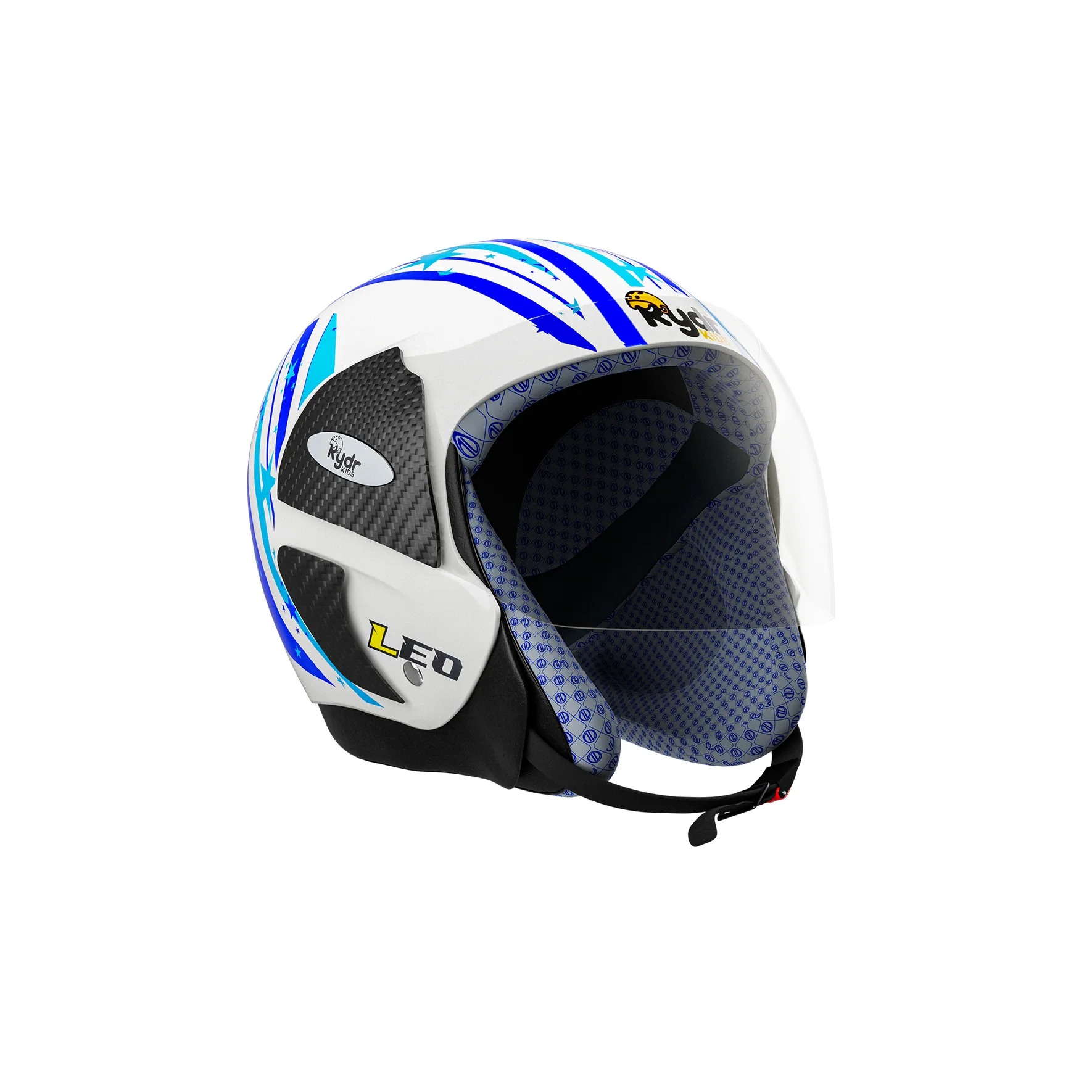
Diwali is a time for celebrations, family gatherings, festive shopping, and visits to friends and relatives. For families who travel by motorcycle or scooter, the festive season can also mean busier roads, heavier traffic, and more distractions. Taking a few extra precautions before heading out can help make these journeys safer, especially when children are travelling as passengers.
One of the most important steps is choosing and correctly using kids helmets designed for young riders. A properly fitted, age-appropriate helmet helps protect a child's head in the event of a crash. However, helmet selection is only one part of safe travel. Parents must also consider the child's age, the vehicle's passenger requirements, riding conditions, and the suitability of the journey.
RYDR is a motorcycle helmet brand promoted by Ladwa Group, with a focus on safety, comfort, and contemporary design. As families prepare for Diwali outings, understanding essential helmet safety practices can help parents make more informed decisions about their children's riding gear.
Why Kids Helmets Are Essential for Family Rides
Children are more vulnerable to serious injuries in road accidents, making appropriate protective equipment especially important. A helmet designed for a child should fit securely and be suitable for the intended riding activity.
An adult helmet that appears to fit a child may be too large, too heavy, or poorly positioned. If a helmet moves excessively or slips over the eyes, it may not provide the intended protection. Parents should therefore select kids helmets based on fit, safety compliance, and the manufacturer's recommendations rather than appearance alone.
A helmet cannot eliminate every risk, but a properly fitted and compliant model can help reduce the risk of serious head injury. It should always be used alongside responsible riding practices and compliance with local traffic laws.
1. Choose the Correct Helmet Size
Fit is one of the most important factors when selecting a child's helmet. A helmet that is too loose may move during a ride, while one that is too tight may cause discomfort and distract the child.
Measure the child's head according to the manufacturer's sizing instructions, usually around the widest part of the head. Compare the measurement with the brand's size chart instead of relying only on age.
When trying on a helmet, check that it sits level on the head and covers the forehead appropriately. The helmet should feel snug without creating painful pressure points. The retention strap must also fasten securely.
Never purchase a helmet that a child is expected to grow into. A properly fitted helmet is more important than choosing a larger size for future use.
2. Check Safety Standards Before Buying
A helmet's appearance, colour, or design does not determine how well it protects a child. Parents should verify that the helmet complies with the applicable safety requirements for its intended use.
In India, motorcycle helmets should meet the relevant Bureau of Indian Standards requirements. Look for the appropriate certification and markings, and purchase from a reliable seller who can provide clear product information.
Check the helmet's intended age or size range and whether it is specifically designed for motorcycle use. Bicycle helmets and other recreational headgear should not be treated as substitutes for motorcycle helmets.
When considering brands such as RYDR, review the specifications and certification information for the exact model before making a purchase.
3. Secure the Chin Strap Correctly
Even a well-fitting helmet may not protect properly if its retention system is left loose or unfastened. Before every family ride, ensure that the chin strap is secured according to the manufacturer's instructions.
Parents should check that the strap is snug without restricting breathing or causing discomfort. The helmet should not slide off easily or shift excessively when the child moves their head.
Teach older children why the strap matters, but do not rely on them to check it independently. An adult should confirm the fit and fastening before the vehicle starts moving.
Make this check part of the family's regular departure routine, alongside checking the vehicle and ensuring that everyone is seated safely.
4. Make Comfort a Priority
Children may be reluctant to wear a helmet if it feels uncomfortable, especially during longer journeys or in warm weather. Comfort can encourage consistent use, but it should never come at the expense of safety.
Look for a suitable size, manageable weight, secure padding, and a design appropriate for local weather conditions. Check the manufacturer's care instructions to keep the interior clean.
Avoid adding unofficial padding, modifying the helmet shell, or making alterations that affect its fit. If the helmet causes persistent pain or moves around, reassess the size and model.
Parents should also ensure that children can see clearly, breathe comfortably, and move their heads sufficiently to remain aware of their surroundings.
5. Follow Passenger Safety Rules
Wearing kids helmets does not automatically make every motorcycle journey suitable for a child. Parents must follow applicable traffic laws and assess whether the child can travel safely as a passenger.
In India, child passenger rules and requirements should be checked against current official guidance. Depending on the child's age and the applicable rules, additional requirements may apply to seating, protective equipment, or speed.
Never carry more passengers than the vehicle is designed or legally permitted to accommodate. Ensure the child is seated securely and can maintain an appropriate position throughout the journey.
If a child is too young to sit safely or cannot be secured as required, choose another mode of transport. A helmet should not be treated as permission to take an otherwise unsafe journey.
6. Plan Diwali Journeys Carefully
During Diwali, traffic may increase around markets, residential areas, places of worship, and family gathering spots. Fireworks, bright lights, parked vehicles, and pedestrians can create additional distractions.
Plan your route and allow extra travel time to avoid rushing. Whenever possible, travel during less congested periods and choose routes with safer road conditions.
Avoid riding through areas where fireworks are being set off or where smoke substantially reduces visibility. Never stop a motorcycle in an unsafe location to watch celebrations.
Before leaving, check the brakes, tyres, lights, mirrors, and fuel level. Keep children away from moving parts and hot vehicle components, and make sure everyone is ready before setting off.
7. Inspect and Maintain the Helmet
A child's helmet should be checked regularly for cracks, damaged straps, loose components, or worn interior padding. If it has been involved in a significant impact, follow the manufacturer's replacement guidance even if visible damage is not obvious.
Clean the helmet using only the methods and products recommended by the manufacturer. Harsh chemicals, unapproved adhesives, and unauthorised modifications may damage materials or affect performance.
Store it away from excessive heat, direct sunlight, and heavy objects that could damage the shell. As children grow, reassess the fit periodically and replace the helmet when it no longer fits correctly or reaches the manufacturer's recommended service limit.
8. Set a Good Example for Children
Children often learn road-safety habits by observing adults. When parents consistently wear their own helmets, fasten their straps, and follow traffic rules, they demonstrate that safety is a normal part of every journey.
Explain helmet safety in simple language. Encourage children to speak up if their helmet feels loose or uncomfortable, and praise them for following safety routines.
Avoid treating helmets as optional for short rides. Accidents can happen close to home as well as on longer journeys, so protective equipment should be used whenever required.
Conclusion
Diwali family rides can be enjoyable when safety remains a priority. Choosing correctly sized kids helmets, checking safety compliance, securing chin straps, and maintaining the helmet are essential steps in protecting young passengers.
Parents should also follow applicable passenger laws, prepare their vehicles, plan routes carefully, and avoid crowded or smoke-filled roads wherever possible. A helmet is an important protective measure, but it works best as part of a broader approach to responsible riding.
RYDR is one brand families can explore when researching motorcycle helmets, provided they verify the specifications and certification of the selected model. This Diwali, make helmet checks and safe travel habits part of your family routine so that celebrations begin and end with greater peace of mind.
Frequently Asked Questions (FAQs)
1. How do I choose the right size of kids helmets?
Measure your child's head according to the manufacturer's instructions and compare the measurement with the product's size chart. The helmet should fit snugly, sit level, and remain secure without causing pain.
2. Can children wear adult motorcycle helmets?
An adult helmet should not be used simply because it is available. If it is too large or unsuitable for the child's head shape, it may not provide the intended protection. Choose a helmet designed to fit the child properly.
3. What safety standards should I check when buying a kids motorcycle helmet in India?
Check that the helmet complies with the applicable Bureau of Indian Standards requirements for motorcycle helmets. Verify the relevant certification markings and product documentation before purchasing.
4. How often should a child's helmet be replaced?
Replace it if it no longer fits, has damaged components, or has been involved in an impact requiring replacement under the manufacturer's guidance. Also follow the manufacturer's recommended service life and inspection instructions.
5. Are kids helmets enough to make a Diwali motorcycle ride safe?
No. Helmets are an important protective measure, but safe travel also requires compliance with passenger laws, a properly maintained vehicle, responsible speed, suitable road conditions, and secure seating. Avoid riding when smoke, fireworks, or heavy traffic make visibility and travel unsafe.